
A First Timer’s Guide to Reflexology Treatment
Everything You Need to Know:
Curious about reflexology but not completely sure what to expect?
You’re definitely not alone.
More people are turning to reflexology therapy as a natural way to support relaxation, stress relief, circulation, and overall wellness. But for first-time clients, there are often a few common questions: What exactly is reflexology? Does it hurt? Is it basically a foot massage? And what actually happens during a reflexology session?
The good news is that reflexology is gentle, deeply calming, and approachable for many people.
Here’s what to know before your first appointment.
Key Takeaways
- Reflexology is a relaxation-focused therapy that works with pressure points on the feet, hands, and ears.
- Many people try reflexology to support stress relief, circulation, nervous system balance, and overall wellness.
- A reflexology session is typically deeply relaxing and should not feel intensely painful.
- Reflexology is different from massage therapy and focuses specifically on reflex points connected to systems in the body.
- Staying hydrated and allowing time to rest after your session can help support the benefits of reflexology.
What Is Reflexology?
The Basics of Reflexology
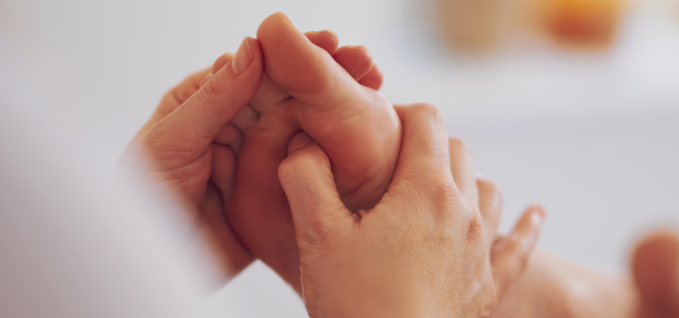
Reflexology is a gentle therapy that involves applying pressure to specific points on your feet, hands, and ears that are believed to correspond with different organs, glands, and systems in the body.
The goal of reflexology therapy is to support relaxation, improve circulation, encourage nervous system balance, and help the body move into a calmer state. Many reflexologists believe these pressure points help stimulate communication throughout the body and support natural healing processes.
Unlike treatments that focus only on one sore muscle or area of discomfort, reflexology takes a more whole-body approach. Sessions are designed to help the body relax deeply while supporting overall wellness and balance.
Reflexology vs. Massage Therapy
Although reflexology and massage therapy are both relaxing, they are not exactly the same thing. Massage typically focuses on muscles, tension, and soft tissue throughout the body. Reflexology focuses more specifically on pressure points connected to systems in the body, especially through the feet, hands, and ears.
Many clients describe reflexology as deeply calming and grounding, especially for stress, anxiety, and nervous system support.
Common Reasons People Try Reflexology
People book reflexology appointments for many different reasons, including:
- Stress and tension relief
- Relaxation and nervous system support
- Improving circulation
- Supporting digestion
- Better sleep and insomnia support
- Muscle relaxation
- Feeling more calm and balanced
- General wellness support
The Different Types of Reflexology
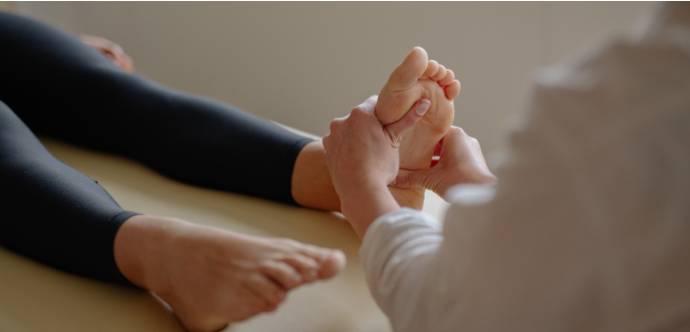
The most common form of reflexology focuses on the feet, since the feet contain many reflex points connected to different areas of the body. During a foot reflexology treatment, a reflexologist uses their thumb and fingers to apply gentle pressure to these points.
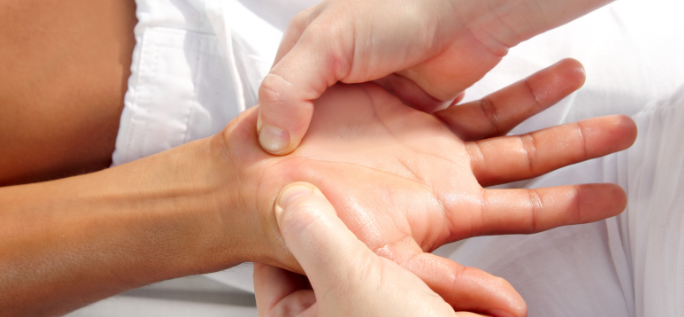
Some practitioners also work with reflexology points on the hands and ears. Ear reflexology targets pressure points connected to the nervous system and different organs throughout the body. Hand reflexology can be especially helpful for clients who are sensitive about foot work or prefer an alternative approach.
Different reflexology therapists may also incorporate breathing techniques, calming music, weighted blankets, or aromatherapy into the session to deepen relaxation.
What Happens During a Reflexology Treatment?
Before Your Appointment
Before your first session, your reflexology therapist may ask questions about your health history, stress levels, lifestyle, sleep, digestion, or any specific concerns you want to focus on. This helps them assess your needs and personalize the treatment.
It’s a good idea to wear comfortable clothing and drink plenty of water before your appointment.
During the Session
Most reflexology sessions take place in a calm, quiet environment designed to help you relax. You’ll typically recline comfortably while your reflexologist works primarily on your feet, although hands and ears may also be included depending on the treatment.
The reflexologist will apply gentle to moderate pressure using their fingers and thumbs along specific reflex points. Some areas may feel tender or sensitive, while others feel deeply soothing and relaxing.
Many clients become so relaxed during the session that they fall asleep.
Is Reflexology Painful?
Reflexology should not feel intensely painful. Some pressure points may feel slightly tender, especially if areas of tension or imbalance are present, but the treatment is generally gentle and calming.
Good communication with your provider is important. Your reflexologist can always adjust pressure based on your comfort level. Most people leave feeling relaxed, lighter, calmer, and less tense afterward.
Benefits of Reflexology
Some potential benefits of reflexology may include:
- Stress relief
- Nervous system relaxation
- Improved circulation
- Reduced muscle tension
- Better sleep support
- A calmer mood
- Support for digestion
- Relaxation and wellness support
- Relief from feelings of overwhelm
- Encouraging balance throughout the body
Many people also enjoy reflexology simply because it creates intentional time to slow down, rest, and reconnect with themselves.
How to Prepare for Your First Reflexology Session
Preparing for reflexology is simple. Try to arrive hydrated, avoid rushing into your appointment stressed, and wear comfortable clothing. Some clients also prefer to avoid eating a very heavy meal immediately beforehand.
If you have open wounds, foot injuries, or certain medical conditions, let your provider know ahead of time so they can determine whether reflexology is appropriate for you.
Most importantly, come in with an open mind and allow yourself permission to fully relax during the experience.
What to Do After Your Reflexology Session
After your session, many people notice they feel calmer, lighter, sleepier, or more relaxed than usual. Drinking warm water or staying hydrated afterward may help support circulation and recovery.
Some clients prefer to take it easy for the rest of the day, especially after their first session. Gentle movement, rest, and allowing your nervous system to stay in a relaxed state can help you get the most benefit from the treatment.
Regular sessions may provide more noticeable long-term support for stress management and overall wellness.
Who Would Benefit from Reflexology?
Reflexology can be beneficial for many people, especially those dealing with stress, tension, anxiety, poor sleep, nervous system overwhelm, muscle tightness, or general fatigue. It may also be appealing for people looking for gentle, non-invasive wellness support.
However, reflexology may not be appropriate for everyone.
Individuals with open wounds, certain foot injuries, active infections, blood clotting disorders, or specific medical conditions should speak with their healthcare provider first. Pregnant clients should also work with a qualified reflexology therapist experienced in prenatal care.
Your provider can help assess whether reflexology is a good fit for your individual needs.
If you’ve been curious about reflexology, your first session may be much more relaxing and approachable than you expect.
For many people, reflexology becomes less about fixing one specific symptom and more about creating space for the body and nervous system to finally slow down, relax, and reset. Whether you’re dealing with stress, tension, poor sleep, or simply looking for more balance in your routine, reflexology can be a gentle and supportive addition to your wellness routine.

Ready to Experience Reflexology for Yourself?
At Calm Spirit, our reflexology sessions are designed to help you slow down, relax deeply, and support your overall well-being in a calming, supportive environment.
Whether you’re completely new to reflexology or looking to make regular sessions part of your wellness routine, we’d love to help you get started.
Book your reflexology appointment today:
https://calmspirit.janeapp.com/#/staff_member/269
FAQ
How Long Does a Reflexology Session Last?
A reflexology session typically lasts between 30 and 60 minutes, although some providers may offer longer appointments. Many first-time clients choose a 60-minute session so there is enough time to fully relax and experience the treatment without feeling rushed.
How Often Should You Get Reflexology?
Some people book occasional sessions for relaxation, but most benefit from regular weekly or monthly sessions. How often you should get reflexology depends on your goals, stress levels, and overall wellness needs.
Do You Remove Your Clothes for Reflexology?
Typically, you don’t remove your clothes for reflexology. Reflexology appointments at Calm Spirit are almost always focused on the feet, so clients usually remain fully clothed aside from re moving shoes and socks. Comfortable clothing is recommended to help you relax during the treatment.
Can Reflexology Be Combined with Massage Therapy?
Yes, you can combine reflexology with massage therapy because these two treatments complement each other well. Massage focuses more on muscles and soft tissue, while reflexology focuses on pressure points and nervous system balance. Be sure to book with a massage therapist who offers reflexology.
Is Reflexology Safe for Everyone?
Reflexology is generally considered gentle and safe for many people, but certain conditions may require extra caution. Individuals with open wounds, infections, severe circulation issues, or specific medical concerns should check with their healthcare provider before booking a session.
References
National Center for Complementary and Integrative Health (NCCIH)
Mayo Clinic
Cleveland Clinic
Association of Reflexologists