
How to Treat Adult Acne Naturally
An Integrative Wellness Approach
Adult acne is far more common than people realize. While acne is often associated with teenagers, a growing number of adults are struggling with breakouts, congestion, inflammation, and acne-prone skin well into their 20s, 30s, and beyond.
Adult acne often behaves differently than teen acne. It can be more persistent, more inflammatory, and more resistant to over-the-counter treatments.
The good news?
A more holistic approach may help to treat acne. Instead of relying solely on spot treatments and harsh products, many people find success by combining healthy skin habits, lifestyle changes, and professional acne treatments.
In this guide, we’ll explore why adult acne happens, common mistakes that can make it worse, and natural ways to support clearer, healthier skin.
Key Takeaways
Adult acne is often more complex and persistent than teenage acne.
Hormones, stress, genetics, skin care products, and lifestyle factors can all contribute to breakouts.
Harsh products and over-treating the skin can sometimes worsen acne.
Natural skin care habits may help support healthier skin over time.
Professional treatments such as facials, laser therapy, microneedling, plasma treatment, acupuncture, and LED light therapy can provide additional support.
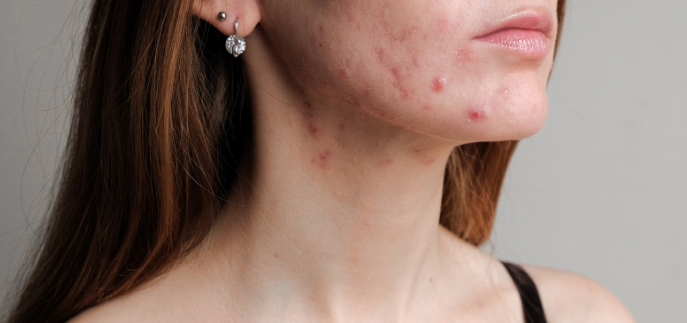
Adult Acne vs Teen Acne
Teen acne is often driven primarily by hormonal changes associated with puberty. Increased oil production can lead to oily skin, clogged pores, blackheads, pimples, and inflammatory acne.
Adult acne can look similar on the surface, but it often has different contributing factors. Hormone fluctuations, stress, skin care products, genetics, and lifestyle habits may all play a role.
Hormonal acne is particularly common in adults and often appears along the jawline, chin, and lower face. These breakouts may be deeper, more painful, and more difficult to treat than typical teenage acne.
Because adult acne tends to be more persistent, it often requires a more comprehensive treatment plan rather than a single product or topical treatment for acne
Understanding Adult Acne: Why It Happens
There is rarely one single cause of adult acne.
For many people, multiple factors contribute to breakouts at the same time. Increased oil production, clogged pores, bacteria, inflammation, hormonal fluctuations, stress, genetics, and certain skin care products can all affect the skin.
Hormone levels naturally change throughout life and may trigger breakouts even in people who never struggled with acne as teenagers. Stress can also contribute to inflammatory responses in the body, which may worsen acne for some individuals.
Certain products can create irritation or clog pores, while overusing exfoliating acids, gels, creams, or drying treatments can disrupt the skin barrier and make acne harder to manage.
Genetics can also play a role. If acne runs in your family, you may be more prone to breakouts regardless of how diligent your skin care routine is.
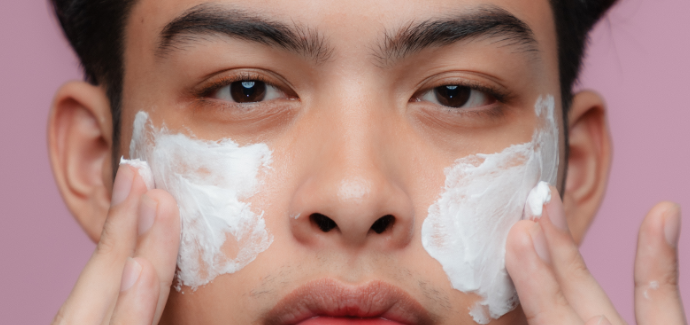
Mistakes That Can Make Adult Acne Worse
Common habits that may worsen acne include:
Over-cleansing the skin
Using too many active ingredients at once
Picking or popping pimples
Skipping sunscreen
Using products that are too harsh or drying
Constantly switching skin care products
Over-exfoliating with acids or scrubs
Sleeping in makeup
Ignoring persistent inflammation
Trying every trending acne treatment without a plan
The Holistic Approach to Treating Adult Acne Naturally
When people hear the word “holistic,” they often assume it means complicated.
In reality, a holistic approach simply means looking at the bigger picture.
Rather than focusing on a single pimple, holistic skin care considers the overall health of the skin. It focuses on supporting the skin barrier, reducing unnecessary irritation, improving daily habits, and creating a treatment plan that is sustainable long term.
For many people, this approach helps reduce the cycle of constantly chasing quick fixes and allows them to focus on consistent habits that support healthier skin over time.
A comprehensive approach may include professional skin care guidance, healthy lifestyle habits, regular treatments, and products that work with the skin rather than against it.
Natural Ways to Improve Adult Acne
Focus on a Healthy Diet
While diet is not the sole cause of acne, certain foods may affect breakouts for some people. Many individuals find it helpful to pay attention to how dairy, highly processed foods, and excess sugar impact their skin.
A balanced diet rich in whole foods, vegetables, healthy fats, and adequate nutrients such as zinc may help support overall skin health.
Exfoliate Wisely
Regular exfoliation can help remove dead skin cells and reduce clogged pores. However, more is not always better. Gentle exfoliation is often more effective than aggressive scrubbing.
Choose Skin-Friendly Products
Natural, professional-grade skin care products may help reduce irritation while supporting the skin barrier. The goal is not simply to dry out acne but to create healthier skin overall.
Reduce Exposure to Irritants
Harsh chemicals, heavily fragranced products, and certain cosmetic ingredients may contribute to irritation for some individuals.
Don’t Pop, Stop
As tempting as it may be, popping pimples can increase inflammation, prolong healing, and contribute to acne scars.
But What If Your DIY Efforts Don’t Work?
Sometimes acne requires more support than at-home routines can provide.
If you’ve been struggling with persistent breakouts, congestion, or acne-prone skin for months—or even years—it may be time to consider professional treatment options.
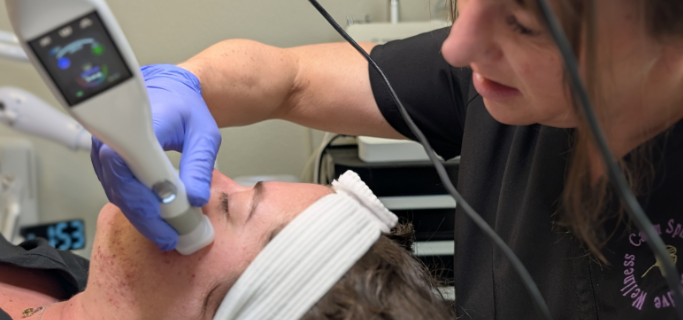
Spa Treatments That Can Help With Acne
Professional treatments can help support clearer skin while providing guidance tailored to your specific concerns.
Customized Acne Facials
Professional acne facials can be a great starting point for people dealing with breakouts, congestion, enlarged pores, and acne-prone skin. A good acne facial, like our Acne Advanced Facial, should include a thorough skin assessment, deep cleansing, targeted exfoliation, and recommendations that are specific to your skin rather than generic advice.
One added benefit of booking a facial is that it allows your esthetician to see your skin up close. This often leads to much more personalized skincare recommendations than trying to choose products on your own.
Advanced Acne Technology Treatments
For people looking for additional support beyond facials and home care, advanced skin treatments such as laser therapies, microneedling, and plasma treatments can help target acne at a deeper level. These treatments are typically performed as a series and can help reduce congestion, support skin renewal, and improve the appearance of post-acne marks.
One example is Jet Clear, the plasma technology treatment offered at Calm Spirit, which is commonly incorporated into personalized acne treatment plans.
Acupuncture
If you’ve tried every cleanser, serum, and spot treatment without success, it may be time to look beyond the surface.
Acupuncture helps support the internal systems that influence skin health, including hormones, digestion, and stress regulation. For many people, it can be an effective complement to skincare treatments when breakouts keep coming back.
Conclusion
Adult acne can be frustrating, especially when it feels like nothing is working.
The good news is that clearer skin often comes from consistency, patience, and a well-rounded approach rather than constantly searching for the next miracle product.
By combining healthy skin habits, supportive lifestyle choices, and professional treatments when needed, many people are able to make meaningful progress toward healthier, more confident skin.
Ready for Personalized Acne Support?
Whether you’re dealing with occasional breakouts, hormonal acne, congestion, or long-standing acne concerns, our team is here to help.
From customized acne facials and professional skin care recommendations to Jet Clear treatments and LED light therapy, we’ll help you create a treatment plan that fits your skin and your goals.
Learn more about our acne treatments or book your appointment today.
References
American Academy of Dermatology (AAD)
National Institute of Arthritis and Musculoskeletal and Skin Diseases (NIAMS)
Mayo Clinic
Cleveland Clinic