
Hair Loss on GLP-1 Medications
Root Causes, Nutrient Deficiencies, and Solutions
GLP-1 medications have rapidly grown in popularity for both blood sugar management and weight loss. Medications like Ozempic, Wegovy, Mounjaro, and Zepbound are helping many people improve metabolic health and lose weight more effectively than before.
At the same time, a growing number of patients are noticing increased hair shedding, thinning, or changes in hair texture after starting these medications.
If you have been wondering, “does GLP-1 cause hair loss?” you are not alone.
The good news is that in many cases, this type of hair loss is temporary and can be supported with the right personalized approach, nutrition, and scalp treatments.
Key Takeaways
GLP-1 medications may contribute to hair shedding indirectly through rapid weight loss, nutrient deficiencies, and physical stress on the body
The most common type of GLP-1 hair loss is telogen effluvium, a temporary form of diffuse hair shedding
Monitoring nutrient status is important while taking GLP-1 medications, especially ferritin, protein intake, zinc, B12, and vitamin D
Root Cold Plasma may help support scalp health and stimulate healthier hair growth
Hair loss related to GLP-1 medications is often reversible when underlying imbalances are addressed
What Are GLP-1 Medications?
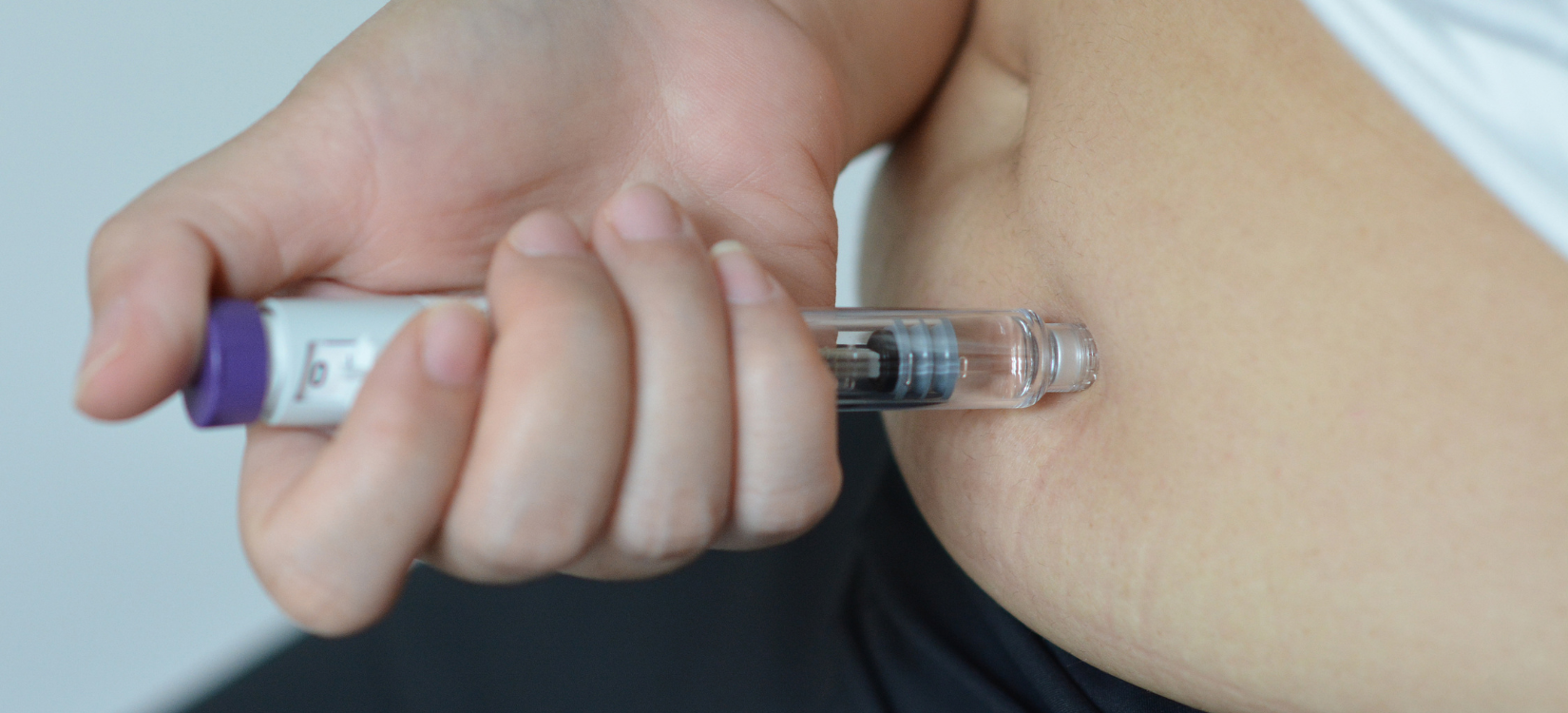
GLP-1 medications are a class of drugs originally developed to help regulate blood sugar in people with type 2 diabetes. They work by mimicking glucagon-like peptide-1, a hormone involved in insulin regulation, appetite control, and digestion.
These medications became popular for weight loss because they can also significantly reduce appetite and help patients lose weight more rapidly.
While GLP-1s can be effective tools for metabolic health, rapid changes in weight, calorie intake, nutrient absorption, and stress on the body may also create unintended side effects for some individuals, including hair shedding and thinning.
Can GLP-1 Medications Cause Hair Loss?
Technically, GLP-1 medications are not believed to directly damage hair follicles. However, many patients report increased shedding after starting these medications or during periods of rapid weight loss.
This means the hair loss is often more related to the physiological stress placed on the body rather than the medication itself. Reduced calorie intake, lower protein consumption, nutrient deficiencies, hormonal shifts, inflammation, and rapid metabolic change can all act as triggers for hair shedding.
Ozempic hair loss, Wegovy hair thinning, Semaglutide hair loss, and Tirzepatide hair loss are all increasingly discussed concerns as use of these medications continues to grow.
GLP-1 Hair Loss vs. Other Types Of Hair Loss
Not all hair loss looks the same.
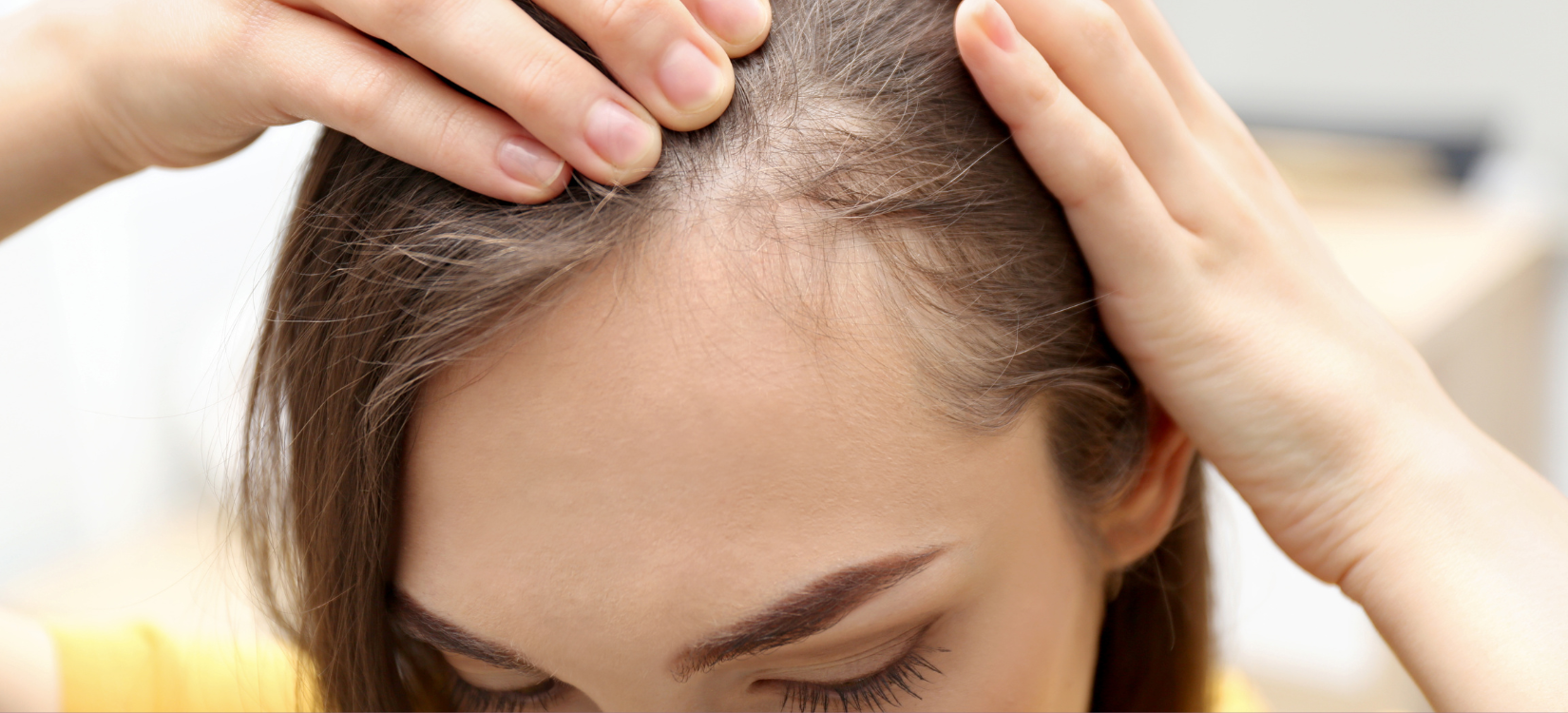
GLP-1 hair loss is usually diffuse, meaning patients notice more shedding throughout the scalp rather than isolated bald spots or patchy hair loss. This differs from autoimmune hair loss conditions like alopecia areata, which tend to create more defined patches.
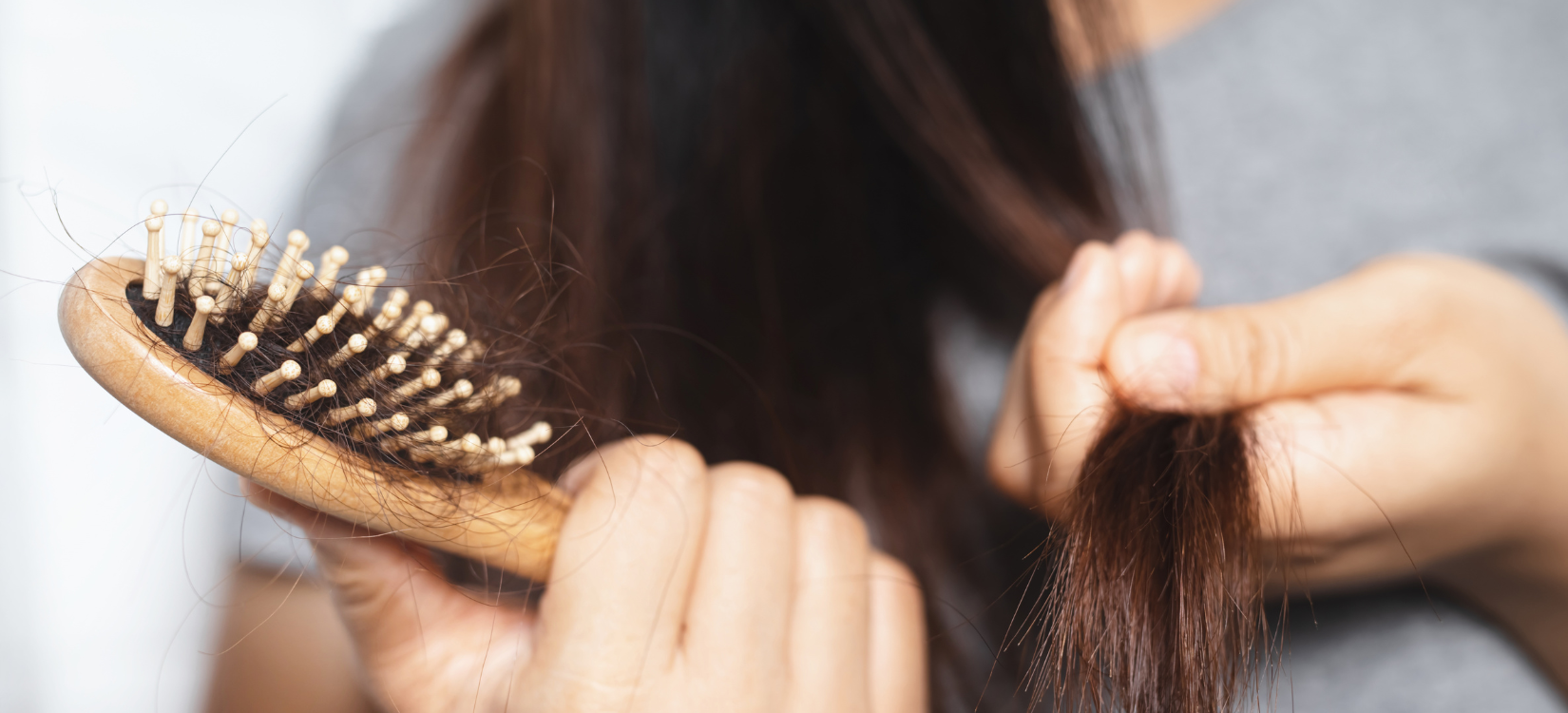
Many people taking GLP-1s notice increased hair in the shower drain, on their brush, or throughout the day. Hair may also feel thinner overall or lose volume over time.
Unlike genetic hair loss, which often progresses slowly and follows hormonal patterns, GLP-1-related hair shedding tends to appear more suddenly after a major physical stressor such as rapid weight loss, illness, or significant dietary changes.
The Most Common Type of GLP-1 Hair Loss
The most common form of GLP-1 hair loss is telogen effluvium.
Telogen effluvium occurs when a physical or emotional stressor pushes more hair follicles than usual into the shedding phase of the hair cycle. Rapid weight loss is one of the most common triggers.
Because hair growth cycles move slowly, many patients do not notice increased shedding until two to four months after the initial stressor.
This type of hair shedding is usually temporary, but it is important to identify and address contributing factors like low protein intake, iron deficiency, low calorie intake, inflammation, and nutrient depletion to help stabilize recovery.
Root Cold Plasma For Hair Loss
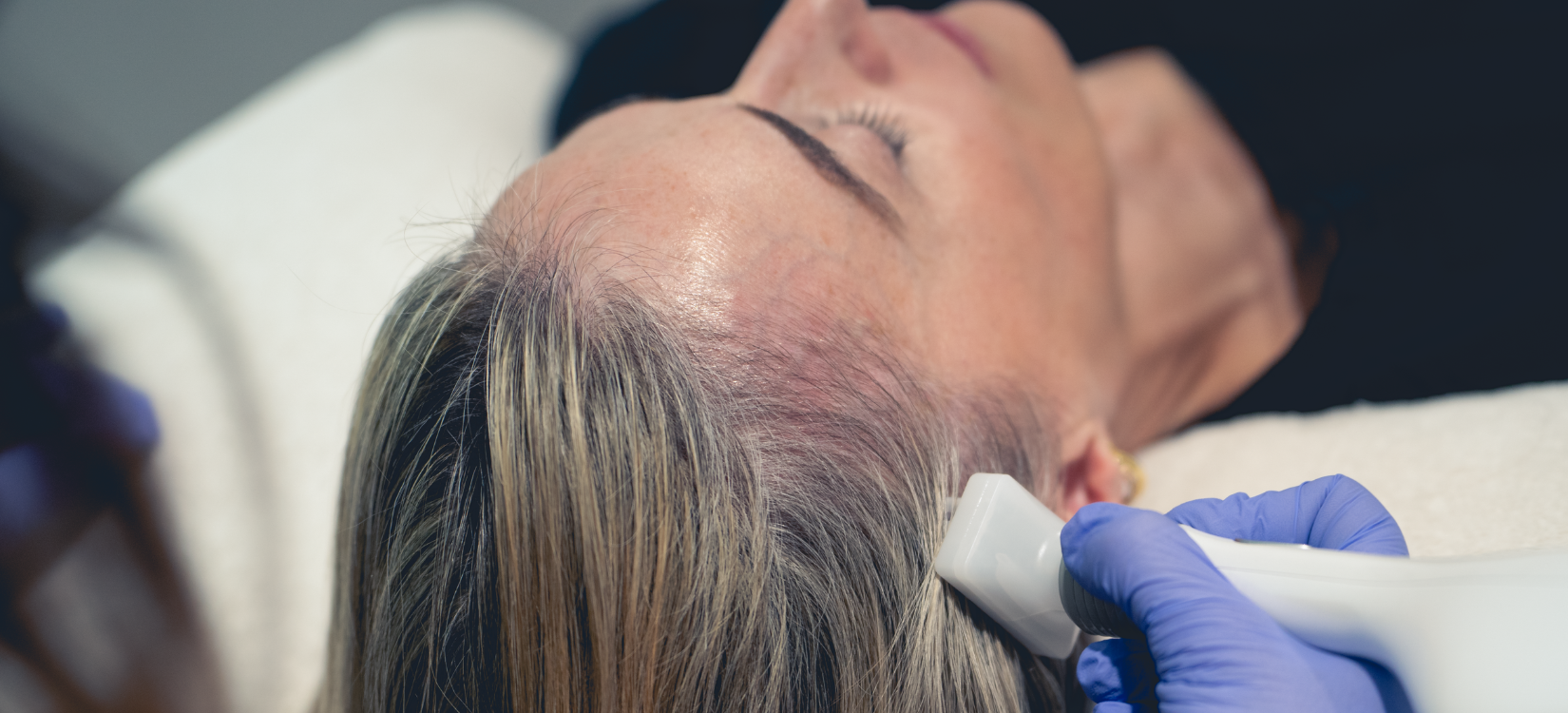
Root Cold Plasma is a non-invasive scalp treatment designed to support scalp health and healthier hair growth.
This treatment uses clinically studied cold plasma technology to stimulate circulation, support the scalp environment, and enhance cellular activity around the hair follicles. Some patients also use it alongside other therapies such as supplements, Nutrafol, functional medicine support, or scalp care protocols.
Root Cold Plasma may be especially helpful for patients experiencing thinning related to stress, inflammation, hormonal changes, or rapid weight loss. While results vary from person to person, many patients use this treatment as part of a broader hair restoration plan focused on supporting long-term scalp and follicle health.
Who Is Most at Risk for Hair Loss While Taking GLP-1s?
Patients experiencing rapid weight loss are generally at the highest risk for hair shedding while taking GLP-1 medications.
Other risk factors may include:
Low protein intake
Iron deficiency or low ferritin
Restrictive eating patterns
Existing hormonal imbalances
Thyroid dysfunction
Chronic stress
Low vitamin or mineral intake
Significant inflammation
Prior history of hair thinning
Women in perimenopause or individuals already dealing with hormonal or metabolic stress may also notice more pronounced changes in hair density while using GLP-1s.
How to Prevent Hair Loss While Taking GLP-1 Medications
A proactive approach can make a major difference in reducing the risk of hair shedding while taking GLP-1 medications.
One of the most important strategies is ensuring adequate nutrition despite reduced appetite. Patients should prioritize:
Sufficient protein intake
Mineral-rich foods
Blood sugar stability
Hydration
Nutrient support when appropriate
Monitoring lab markers can also help identify deficiencies before symptoms worsen.
Important Lab Markers to Monitor
Ferritin
Low ferritin is one of the most overlooked contributors to hair shedding.
Iron Panel
Iron deficiency can significantly affect hair growth and oxygen delivery to tissues.
Vitamin D
Vitamin D plays a role in immune balance and hair follicle cycling.
B12
Low B12 may contribute to fatigue, neurological symptoms, and poor hair health.
Zinc
Zinc is important for tissue repair, scalp health, and healthy hair growth.
Thyroid Markers
Thyroid imbalances commonly contribute to thinning and diffuse shedding.
Albumin / Prealbumin
These markers may help assess overall protein status and nutritional sufficiency.
Working with a knowledgeable provider can help identify the root causes contributing to hair shedding rather than only treating symptoms superficially.
Is GLP-1-Related Hair Loss Permanent?
In most cases, GLP-1-related hair loss is not permanent.
Because the most common mechanism is telogen effluvium, hair often begins to recover once the body stabilizes and underlying deficiencies or stressors are addressed. However, recovery can take time. Hair growth cycles move slowly, and many people notice improvement gradually over several months.
FAQ
How long does GLP-1 hair loss last?
Hair loss from GLP-1 treatments can last for several months, but shedding improves once the body adjusts and deficiencies are addressed.
Does Ozempic directly cause hair loss?
Current evidence suggests that Ozempic does not directly damage the hair follicles but that hair loss is more likely related to rapid weight loss, nutrient deficiencies, and physical stress associated with it.
Can hair grow back after stopping GLP-1 medications?
Hair can often grow back after stopping GLP-1 medications, yes. Many patients experience regrowth once the underlying stressors stabilize.
Should I stop my GLP-1 medication if I notice hair shedding?
You should not necessarily stop your GLP-1 medication if you notice hair shedding. It is important to discuss concerns with your healthcare provider before stopping any medication.
What supplements may support hair health while taking GLP-1s?
Supplements like protein support, iron, zinc, vitamin D, and targeted hair supplements may sometimes be recommended to support hair health while taking GLP-1s. This depends on the individual.
Can Root Cold Plasma help with thinning hair?
Root Cold Plasma may help support scalp circulation, scalp health, and healthier hair growth as part of a broader treatment plan for thinning hair.
Conclusion
GLP-1 medications can be powerful tools for blood sugar management and weight loss, but they may also place stress on the body that contributes to hair shedding in some patients.
The good news is that this type of hair loss is often temporary and manageable when the root causes are addressed. Supporting nutrition, monitoring key lab markers, and using therapies that support scalp health may help encourage healthier recovery and regrowth.
Ready to Support Your Hair Health?
If you are experiencing increased shedding or thinning while taking GLP-1 medications, we are here to help.
At Calm Spirit, we offer Root Cold Plasma hair loss treatments designed to support scalp health, circulation, and healthier hair growth naturally.
Book your appointment today:Calm Spirit Booking Page
References
American Academy of Dermatology Association
Cleveland Clinic – Telogen Effluvium
National Institutes of Health (NIH)
Journal of the American Academy of Dermatology
Harvard Health Publishing