
Pulse Wave Therapy Explained: The Non-Invasive Treatment Changing Recovery
If you’ve been dealing with chronic pain, slow recovery, or a condition that just won’t fully heal, you may have come across Pulse Wave Therapy. But what is Pulse Wave Therapy, and why is it becoming such a popular non-invasive treatment option?
This advanced therapy uses acoustic sound waves to stimulate the body’s natural healing process; helping reduce pain, improve blood flow, and support tissue repair without medication or downtime.
Key Takeaways
Pulse Wave Therapy is a non-invasive treatment that uses sound waves to stimulate healing
It helps improve blood flow, reduce inflammation, and accelerate tissue repair
Commonly used for musculoskeletal pain, injuries, and even erectile dysfunction
Treatments are quick, safe, and require little to no downtime
Results build over multiple treatment sessions
What Is Pulse Wave Therapy?
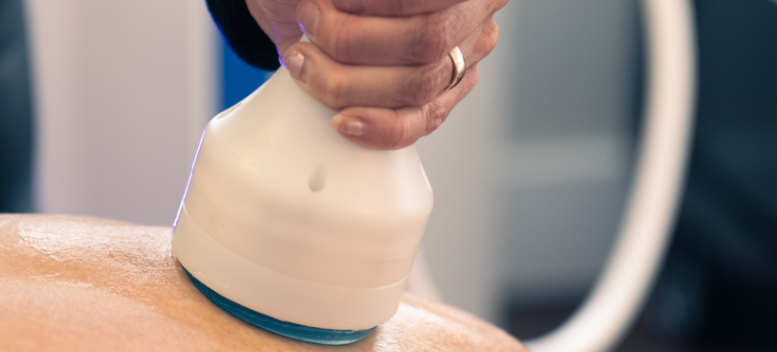
Pulse Wave Therapy (also known as shockwave therapy) is a non-invasive medical treatment that uses high-energy or low-intensity acoustic sound waves to target damaged tissue in the body.
These sound waves are delivered through a handheld device to specific areas, stimulating cellular activity and promoting natural healing. It is commonly used to treat pain, inflammation, and a variety of chronic conditions, especially those affecting soft tissue, joints, and circulation.
How Does Pulse Wave Therapy Work?
Pulse Wave Therapy works by sending acoustic waves into the affected area, creating a mechanical stimulus that activates the body’s repair process.
This helps increase blood flow, stimulate cell regeneration, and release growth factors that support tissue repair. The result is improved healing, reduced pain, and enhanced function in the treated area.
Clinical Efficacy of Pulse Wave Therapy
Clinical research and patient outcomes show that Pulse Wave Therapy can be an effective treatment for a wide range of conditions, particularly musculoskeletal and chronic pain issues.
Studies have demonstrated improvements in pain levels, mobility, and healing time, especially in cases where traditional treatment options have had limited success. Pulse Wave Therapy is widely used in physical medicine, sports recovery, and even for conditions like erectile dysfunction due to its ability to improve blood flow and cellular repair.
Its safety profile, combined with minimal downtime, makes it an appealing option for patients seeking alternatives to medication or invasive procedures.
Benefits of Pulse Wave Therapy
Non-invasive treatment No surgery, needles, or medications required
Drug-free pain relief Helps reduce pain naturally without relying on pharmaceuticals
Improves blood flow Enhances circulation to support healing and tissue repair
Accelerates recovery Promotes faster healing of soft tissue injuries and chronic conditions
Reduces inflammation Targets the root cause of pain and discomfort
Quick treatment sessions Most sessions are short and easy to fit into your schedule
Minimal to no downtime You can return to your normal activities right after treatment
Conditions It Can Treat
Pulse Wave Therapy is commonly used to treat:
Chronic pain conditions
Soft tissue injuries
Joint pain (shoulder, knee, hip)
Plantar fasciitis
Tendonitis and ligament damage
Back and neck pain
Sports injuries
Erectile dysfunction
Musculoskeletal conditions

What Does Pulse Wave Therapy Feel Like?
Most patients describe Pulse Wave Therapy as a tapping or pulsing sensation on the skin. Depending on the area and sensitivity, it can feel slightly intense at times, but it is generally well tolerated.
Many people notice a reduction in pain or tension even after the first session.
What to Expect During and After Treatment
During a Pulse Wave Therapy session, your provider will use a device to deliver sound waves to the targeted area. Sessions typically last 10 to 20 minutes.
After treatment, you may feel immediate relief or gradual improvement over the next few days. Multiple treatment sessions are often recommended for optimal results, especially for chronic conditions.
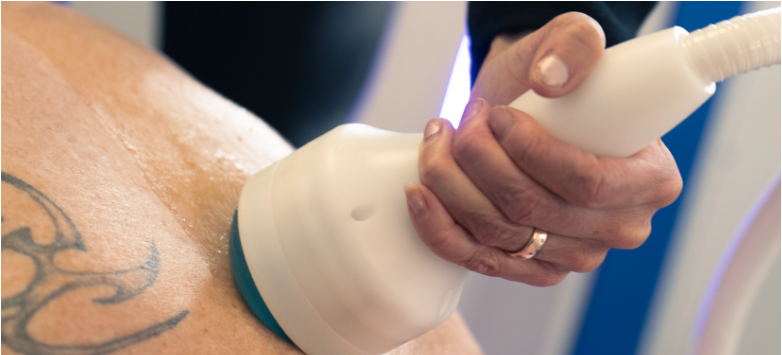
Pulse Wave Therapy is a safe, effective, non-invasive treatment that supports the body’s natural healing process. By improving blood flow and stimulating tissue repair, it offers a powerful option for reducing pain and enhancing recovery.
If you’re curious whether Pulse Wave Therapy is right for you, we’re here to help. Learn more or book your appointment.
You can also call us directly for more information or to speak with a provider about your specific condition.
References
National Institutes of Health – Shockwave Therapy Research
Mayo Clinic – Tendon and Soft Tissue Injury Treatments
Journal of Orthopaedic Research – Acoustic Wave Therapy Studies
International Society for Medical Shockwave Treatment (ISMST)