Neuropathy Relief
Guide: Causes, Symptoms, and Holistic Treatment Options
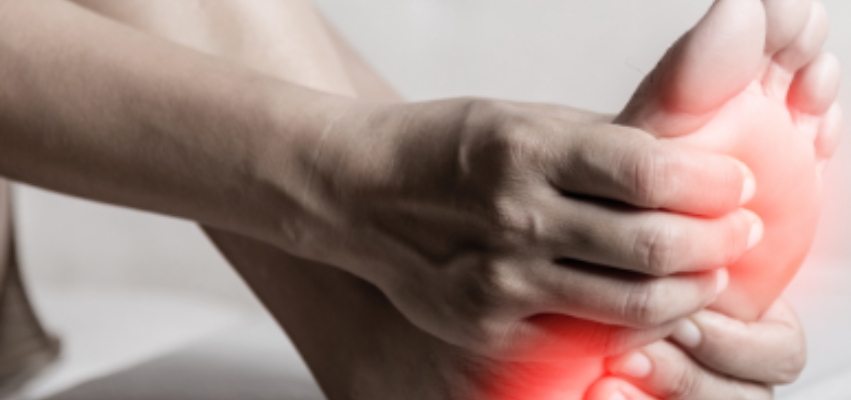
Neuropathy is something we see every single week at Calm Spirit. It shows up differently for everyone; be it tingling, burning, numbness, sharp pain, heaviness, or that “walking on pins and needles” feeling. For some, it’s mild and annoying. For others, it’s life-altering.
The encouraging part? Neuropathy can improve. Nerves can heal. And when you address the underlying causes, relief often comes faster than you might think.
This guide walks through what neuropathy is, why it develops, and how our integrative team supports patients using acupuncture, cold laser, massage, chiropractic care, and functional medicine.
What Is Neuropathy?
Neuropathy means the nerves aren’t functioning the way they should. This can happen because the nerve is damaged, inflamed, compressed, or not getting enough oxygen or nutrients.
Most people feel neuropathy in their feet, legs, hands, or arms, though symptoms can occur anywhere along a nerve pathway.
Common symptoms include:
Tingling or “pins and needles”
Burning pain or heat sensations
Numbness or decreased sensation
Sensitivity to touch
Weakness
Cramping or muscle fatigue
Changes in balance or stability
Many patients at Calm Spirit also describe feeling “disconnected” from their feet, like the signals aren’t reaching the brain clearly.
Common Causes of Neuropathy
Neuropathy can develop from a wide range of root causes. Some of the most common include:
Diabetes or blood sugar dysregulation
Chemotherapy (often causing “chemo-induced neuropathy”)
Autoimmune conditions
Circulation issues
Nerve compression (spinal, hip, or foot)
Vitamin and mineral deficiencies
Chronic inflammation
Injury or repetitive strain
Because the causes vary, treatment has to be individualized, which is exactly how we approach neuropathy care at Calm Spirit.
Why Neuropathy Requires a Whole-Body Approach
Nerves don’t exist in isolation. They’re influenced by many factors, including blood flow, tissue oxygenation, nutrition, inflammation levels, movement patterns, and stress responses.
This is why neuropathy care can’t be a “one treatment fixes everything” situation. The nervous system responds best when multiple supportive therapies are used together.
Our three core goals:
1. Improve circulation — Better blood flow = better nutrient delivery and faster nerve repair.
2. Reduce inflammation and irritation — Calming inflammation helps decrease pain and restores nerve communication.
3. Support nerve regeneration — Nerves can regrow, reconnect, and regain function when given the right conditions.
How Calm Spirit Integrative Wellness Treats Neuropathy
We use a combination of acupuncture, cold laser, chiropractic care, massage therapy, and functional medicine to bring relief from multiple angles. Here’s how each modality supports nerve healing:

Acupuncture & Electroacupuncture
Acupuncture is one of the most consistently effective treatments we use for neuropathy, and often the first therapy we recommend.
For certain patients, we also use electroacupuncture, which gently sends microcurrents between acupuncture points to stimulate nerve pathways more deeply. Together, these therapies help:
Increase microcirculation in the affected areas
Reduce inflammation around irritated nerves
Encourage nerve signal repair
Relax tight muscles that may be compressing nerves
Restore communication between the brain and peripheral nerves
Many patients notice improved sensation, reduced burning, and better balance over a series of treatments.
Moxibustion (used within acupuncture sessions)
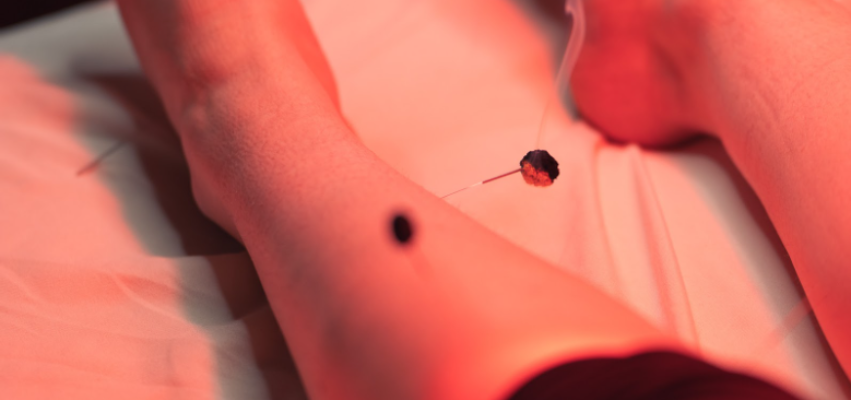
Moxibustion, often simply called moxa, is a traditional therapy used within acupuncture sessions. It involves warming specific points or areas with mugwort to improve circulation and support healing.
Moxa is especially helpful for neuropathy linked to coldness, stagnation, or poor blood flow.
It can help:
Warm and relax tight or stagnant tissues
Increase circulation to the hands and feet
Support nerve repair and sensitivity restoration
Reduce numbness, tingling, and discomfort
Enhance the overall therapeutic effect of acupuncture
Patients describe moxa as deeply soothing, grounding, and comforting, especially if symptoms worsen with cold weather or inactivity.

Massage Therapy
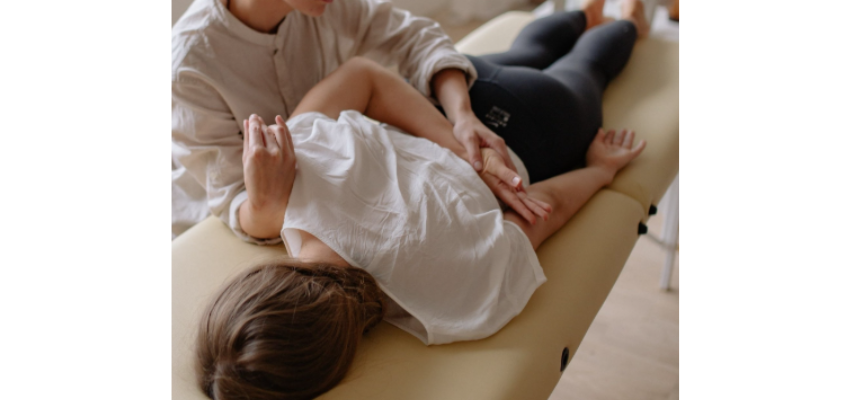
Massage therapy can play a meaningful role in neuropathy care, especially when muscle tension, circulation issues, or compensatory movement patterns are contributing to symptoms.
Our massage therapists use techniques tailored to each patient, including deep tissue, lymphatic drainage, prenatal-safe options, and gentle therapeutic work depending on what the body needs. This can help:
Increase circulation to areas where nerves aren’t getting enough blood flow
Relax tight muscles that may be compressing nerves or altering gait
Improve mobility in the feet, ankles, hands, and legs
Reduce compensatory tension from favoring one side or altering movement due to pain
Support stress reduction, which can lower inflammation and nerve sensitivity
Enhance overall comfort and reduce the “heaviness” many neuropathy patients describe
Massage also pairs extremely well with acupuncture and chiropractic care, creating a more complete approach to nerve healing and tissue recovery.
Chiropractic Care
Chiropractic care is an important part of neuropathy treatment because many nerve symptoms begin with, or are worsened by, structural issues. When the spine, hips, or lower legs are out of alignment, the nerves that travel to the hands and feet can become irritated or compressed.
Our chiropractic team looks closely at how your body moves, how your joints are functioning, and where tension or restriction may be impacting nerve pathways.
Chiropractic care for neuropathy may include:
Gentle spinal adjustments to reduce pressure on nerves coming from the neck or low back
Pelvic and hip alignment to improve gait and weight distribution
Mobility work to restore healthy movement patterns in the feet, ankles, and legs
Soft tissue techniques (like Active Release and Graston, depending on the provider) to break up adhesions that may be irritating nerves
Nerve glide exercises to help restore smooth, pain-free nerve movement
Postural and ergonomic support to reduce strain on irritated areas
Education on daily movement habits that protect the nervous system and reduce flare-ups
For many patients, neuropathy symptoms are made worse by subtle biomechanical imbalances, especially in the low back, hips, and ankles. When those areas move better, circulation improves, irritation decreases, and nerves have the space and support they need to function more normally.

Functional Medicine Support
Neuropathy isn’t always just a nerve issue, it’s often a whole-body issue. That’s where functional medicine becomes incredibly important.
Many people develop neuropathy because something deeper in the body is inflamed, imbalanced, or overworked, and the nerves begin to suffer as a result. With functional medicine, we look beyond symptoms to understand why neuropathy is happening in the first place.
Our functional medicine practitioner, Dr. Amy, evaluates key areas that commonly influence nerve health:
Blood sugar & metabolic health
Nutrient deficiencies
Gut health & inflammation
Toxin exposure & detox pathways
Autoimmune patterns
Stress & nervous system tone
Functional medicine doesn't replace other therapies, rather it strengthens them by improving the internal environment that nerves heal in. For many patients, neuropathy improves more quickly and more predictably when functional medicine is part of their treatment plan.
What Patients Often Notice First
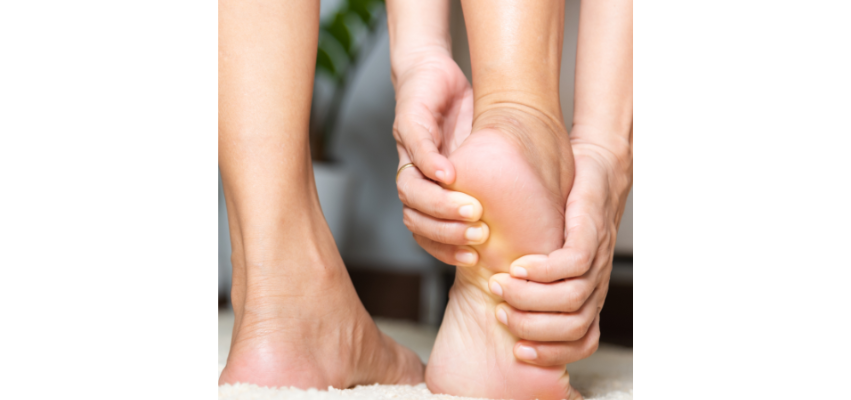
As the body begins to respond, many people report:
Less tingling or burning
Improved sensation in the feet or hands
Better balance and stability
Less nighttime discomfort
More confidence walking or being active
A “lighter,” less tense feeling in affected limbs
Nerves heal slowly (but consistently!) when supported well. Even small improvements often build into meaningful long-term relief.
You Don’t Have to Navigate Neuropathy Alone
Neuropathy can feel overwhelming, isolating, and unpredictable, but there are many ways to support your nervous system and improve how you feel day-to-day.
You deserve steady, supportive care, and a plan that helps you feel hopeful again.
If you want to learn more about your treatment options, we’re here to help. All of our contact information can be found here.
Your nerves can heal, and we’d love to support you on that journey.