
Holistic Treatment of Sports Injuries
Natural Therapies to Speed Recovery and Prevent Reinjury
If you have ever nursed a sports injury with rest, ice, and over the counter pain medication alone, you know how slow and incomplete that kind of healing can feel.
Pain medication masks discomfort without addressing what caused it, and rest without guidance can lead to stiffness, weakness, and reinjury down the road.
A holistic treatment approach looks at the whole picture, healing, function, and long term performance, not just symptom relief.
In this guide, we will walk through the natural therapies that help athletes and active people recover fully and move with confidence again.
Key Takeaways
A holistic approach treats the root cause of sports-related injuries, not just the pain
Acupuncture, shockwave therapy, massage, and chiropractic care each support the body's natural healing process in different ways
Combining therapies often produces better and longer lasting results than a single treatment option
Nutrition, sleep, and stress management play a real role in how quickly the body heals
Working with a professional team helps prevent reinjury and supports long term mobility
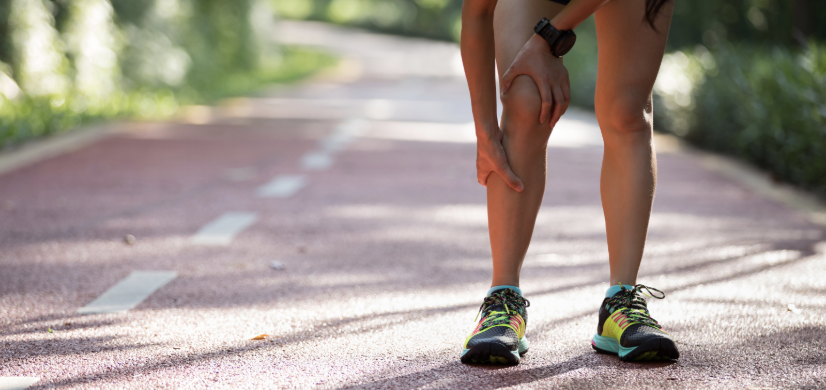
What Is a Holistic Approach to Sports Injury Treatment?
A holistic approach means treating the whole body, not just the injured area.
Instead of isolating a sprained ankle or a sore shoulder, this approach considers biomechanics, inflammation, circulation, and nervous system function as interconnected pieces of the healing process. When one part of the body compensates for an injury, other areas often take on strain they were not built for.
Holistic care supports the body's own healing mechanisms, addressing what caused the injury in the first place while also treating the discomfort itself.
Common Sports Injuries That Respond Well to Holistic Care
Many sports-related injuries respond beautifully to natural, whole body treatment.
Sprains and strains, common among runners and weekend athletes alike, often involve stretched or torn ligaments and benefit from therapies that reduce inflammation and restore mobility early in the healing process.
Tendon injuries, including tendonitis from repetitive movement, tend to be stubborn and require treatment that improves circulation to the area.
Muscle tears, ranging from mild strains to more significant tears, need a careful rehabilitation plan to heal without scar tissue limiting future range of motion.
Shin splints are frequently an overuse injury tied to biomechanics and training load.
Tennis elbow and golfer's elbow involve inflamed tendons from repetitive gripping or swinging motions.
Rotator cuff injuries can range from minor irritation to more serious tears and often need a layered treatment approach.
Runner's knee is one of the most common complaints among athletes, frequently linked to alignment and muscle imbalances rather than the knee itself.
Plantar fasciitis causes heel and arch pain that responds well to targeted, non-invasive therapies.
Back and neck injuries, whether acute or chronic, often stem from spine alignment issues that ripple out into the rest of the body.
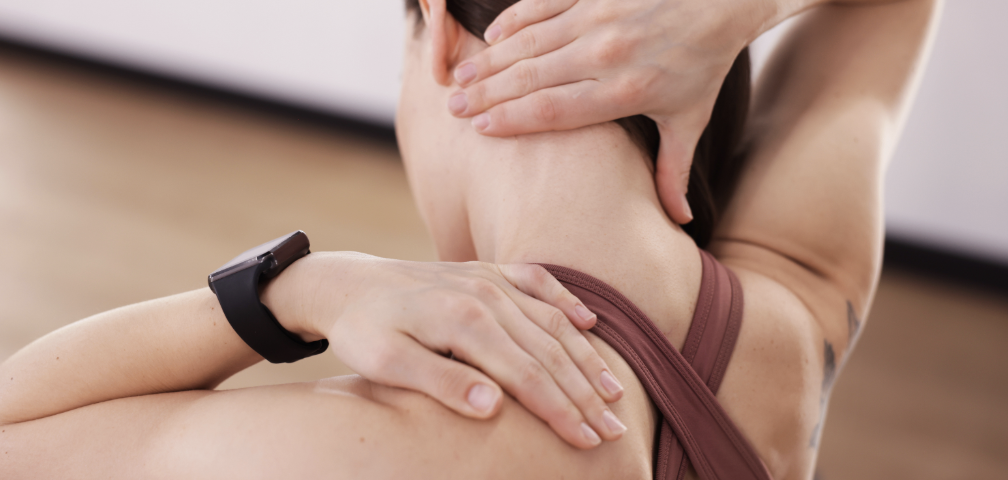
Benefits of Holistic Sports Injury Treatment
Holistic treatment options offer benefits that go beyond simply easing pain caused by physical activity.
These therapies work to reduce inflammation, improve circulation, and support the nervous system so the body can heal more efficiently.
Because holistic care is largely not invasive, it often comes with fewer side effects and less downtime than more aggressive interventions. Perhaps most importantly, this approach looks at movement patterns and imbalances that may have contributed to the injury, which helps prevent the same strain or sprain from happening again.
For athletes and active people alike, that combination of pain relief and prevention is what makes holistic care so valuable.
Acupuncture for Sports Injuries
Acupuncture is one of the most well studied natural treatments for sports injuries, and for good reason. By placing fine needles at specific points, acupuncture helps reduce pain and inflammation, improve blood flow to injured tissue, and calm an overactive nervous system response.
Many athletes find that acupuncture speeds up recovery time while also easing the stiffness and discomfort that come with an acute injury, making it a valuable addition to almost any recovery plan.
Shockwave Therapy for Chronic Sports Injuries
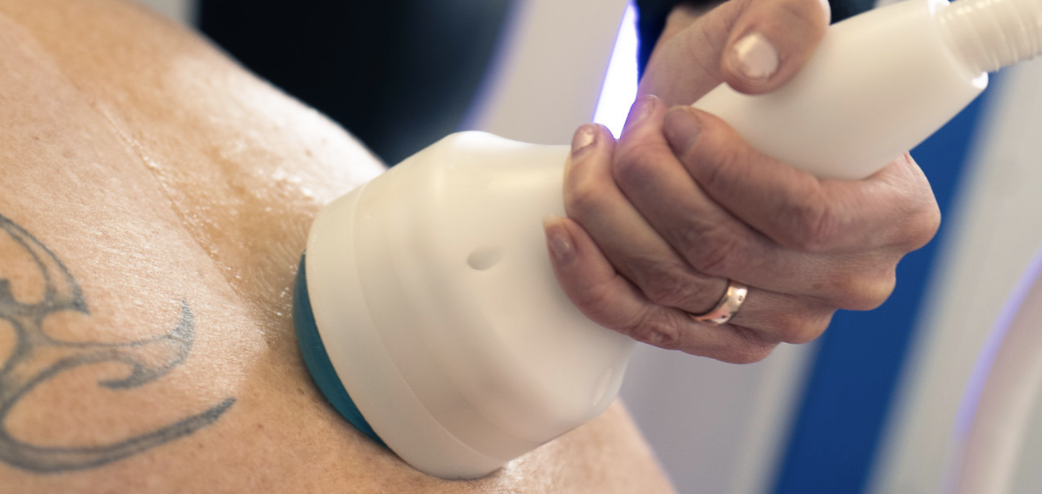
Shockwave Therapy uses focused acoustic waves to stimulate healing in stubborn, chronic injuries like tendon pain, plantar fasciitis, and rotator cuff issues that have not responded to rest alone. Thisnon-invasive treatment works by triggering the body's natural repair process, increasing blood flow and encouraging the breakdown of scar tissue that can limit mobility. For injuries that linger longer than expected, Shockwave Therapy is often a turning point in the healing process.
Sports Massage Therapy for Injury Recovery
Massage therapy supports healing by loosening tight muscles, breaking up adhesions, and improving circulation to areas that need it most. For athletes managing overuse injuries or recovering from a strain, regular massage can reduce pain, improve flexibility, and help the body move more efficiently as it heals. It is also a helpful tool for identifying imbalances before they turn into a bigger issue.
Chiropractic Care for Sports Injuries
Chiropractic care focuses on restoring proper movement and alignment throughout the spine and joints. When the body compensates for an injury, misalignments can develop that lead to further strain elsewhere. Chiropractic adjustments help correct these patterns, improve mobility, and reduce stiffness, giving the body a more stable foundation to heal from and perform on.
Vitamin B12 Injections and Recovery Support
B12 injections are sometimes used to support the body's energy production and recovery process. B12 plays a role in cell repair and nervous system function, both of which matter when the body is working hard to heal from an injury. For athletes managing a demanding training schedule, this kind of support can be a helpful complement to other therapies.
Anti-Inflammatory Nutrition
What you eat directly affects how well your body heals.
An anti-inflammatory diet rich in leafy greens, fatty fish, berries, and healthy fats helps reduce excess inflammation and supports tissue repair. Reducing processed foods, added sugar, and alcohol during the healing process can also make a meaningful difference in how quickly discomfort resolves and function returns.
Herbal and Natural Supplements
Certain herbal and natural supplements have long been used to support the body's healing process. Turmeric and its active compound curcumin are known for their anti-inflammatory properties, while arnica is often used topically to ease bruising and swelling. Omega-3 fatty acids support tissue repair, and adaptogenic herbs may help the body manage the physical stress of recovery. As with any supplement, it is best to consult with a provider before adding something new, especially alongside other treatments or medications.
Why Combining Therapies Often Produces Better Results
No single therapy addresses every aspect of healing
This is why a personalized treatment plan that combines several approaches often produces the best results.
Acupuncture might ease pain and inflammation while chiropractic care restores alignment and massage supports circulation and flexibility. When these therapies work together, the body heals more completely, and the risk of reinjury drops significantly.
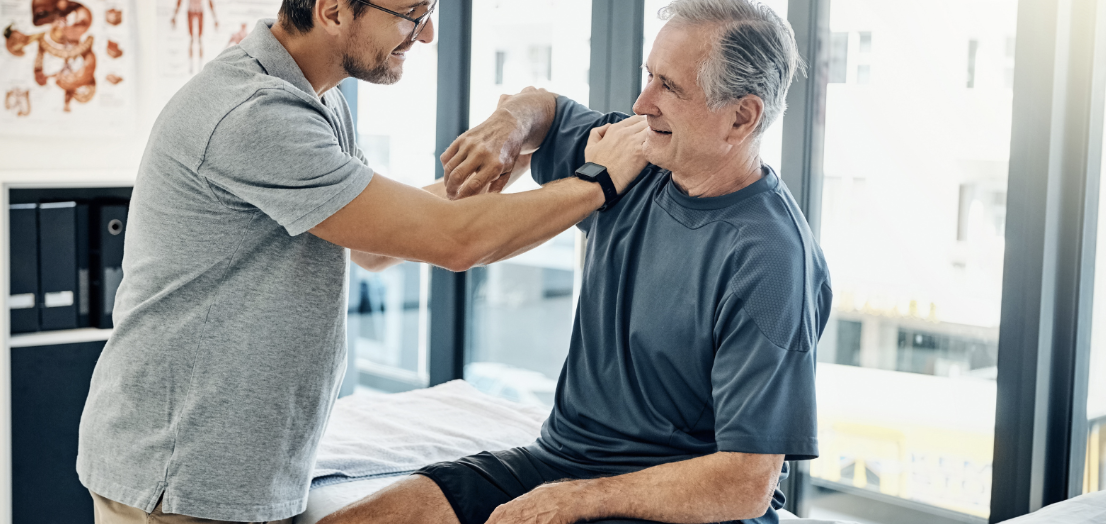
Lifestyle Habits That Help Sports Injuries Heal Faster
Healing does not stop when you leave a treatment room. Quality sleep gives the body time to repair tissue and regulate inflammation, while proper hydration supports circulation and joint health.
Progressive rehabilitation exercises, guided by a physical therapist or trusted provider, help rebuild strength and mobility without overloading healing tissue. And because chronic stress can slow the healing process, stress management and nervous system regulation, through practices like acupuncture, deep breathing, or gentle stretching, play a bigger role in recovery than many people realize.
Conclusion
Recovering from a sports injury takes more than rest and pain medication.
A holistic approach addresses the root cause of pain, supports the body's natural healing process, and helps prevent the same injury from happening again.
Whether you are dealing with an acute strain or a chronic overuse issue, combining natural therapies with intentional lifestyle habits can help you return to the activities you love, stronger and more resilient than before.
Ready to Start Healing?
If you are managing a sports injury and want a personalized treatment plan, we would love to help. Schedule a consultation with our team to explore which holistic therapies are right for you and your recovery goals.
References
National Center for Complementary and Integrative Health. "Acupuncture: Effectiveness and Safety." NIH.gov.
Journal of Orthopaedic Surgery and Research. "Extracorporeal Shockwave Therapy in Musculoskeletal Disorders."
American Massage Therapy Association. "Massage Therapy and Athletic Recovery."
Journal of Chiropractic Medicine. "Chiropractic Management of Sports Injuries."